

Filter
Filter
12 products
-
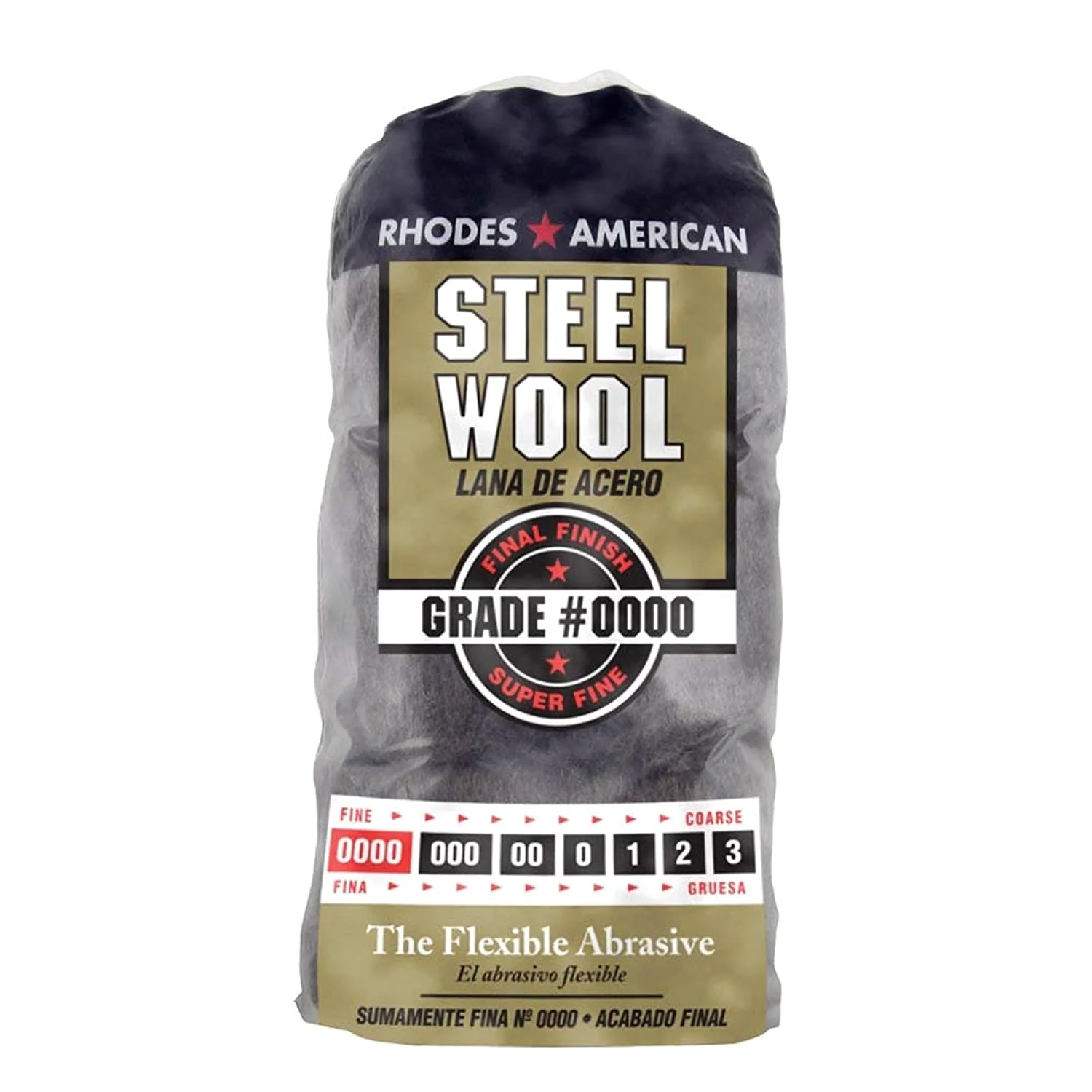
Steel wool · #0000
Homax Rhodes American Steel Wool, #0000 Super Fine
Best for: Rubbing out a final finish and polishing
From Regular price$4.98
-
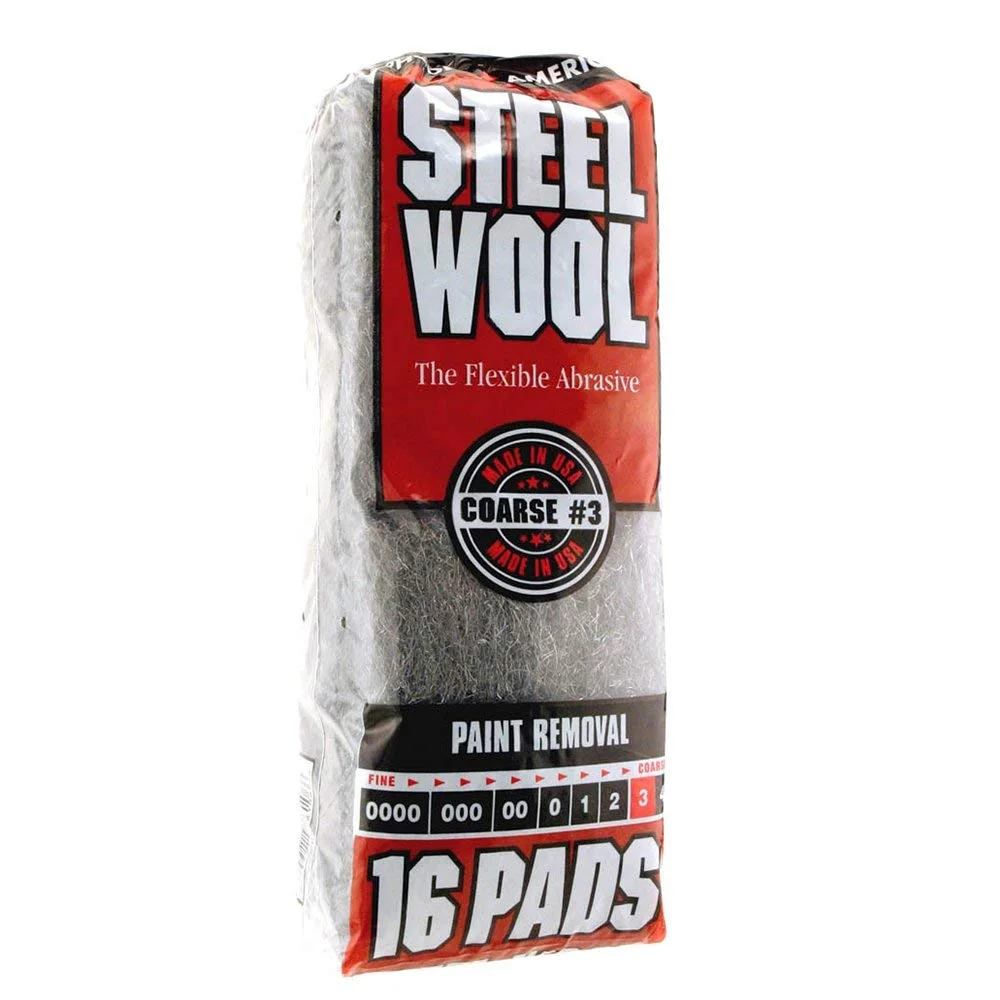
Steel wool · #3
Homax Rhodes American Steel Wool, #3 Coarse
Best for: Paint and varnish removal
From Regular price$3.55 -
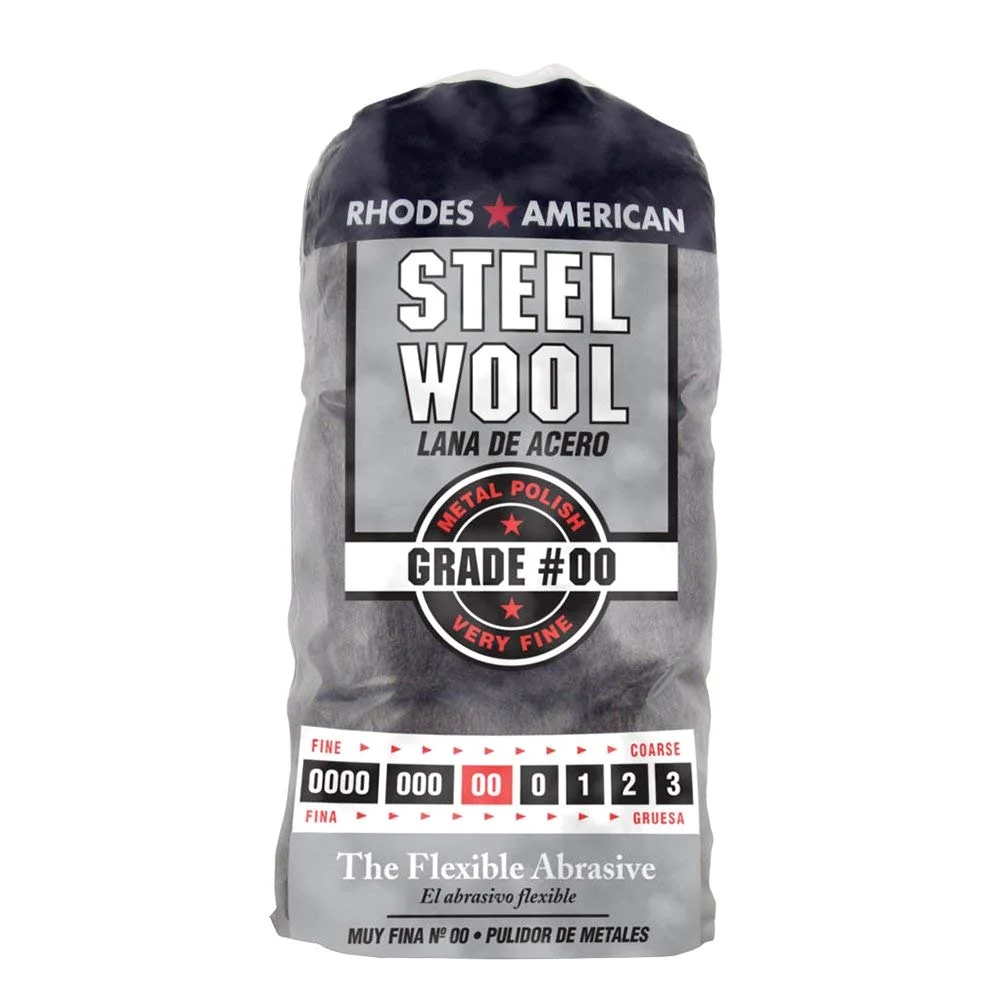
Steel wool · #00
Homax Rhodes American Steel Wool, #00 Very Fine
Best for: Cleaning metal and smoothing between coats
From Regular price$2.69 -
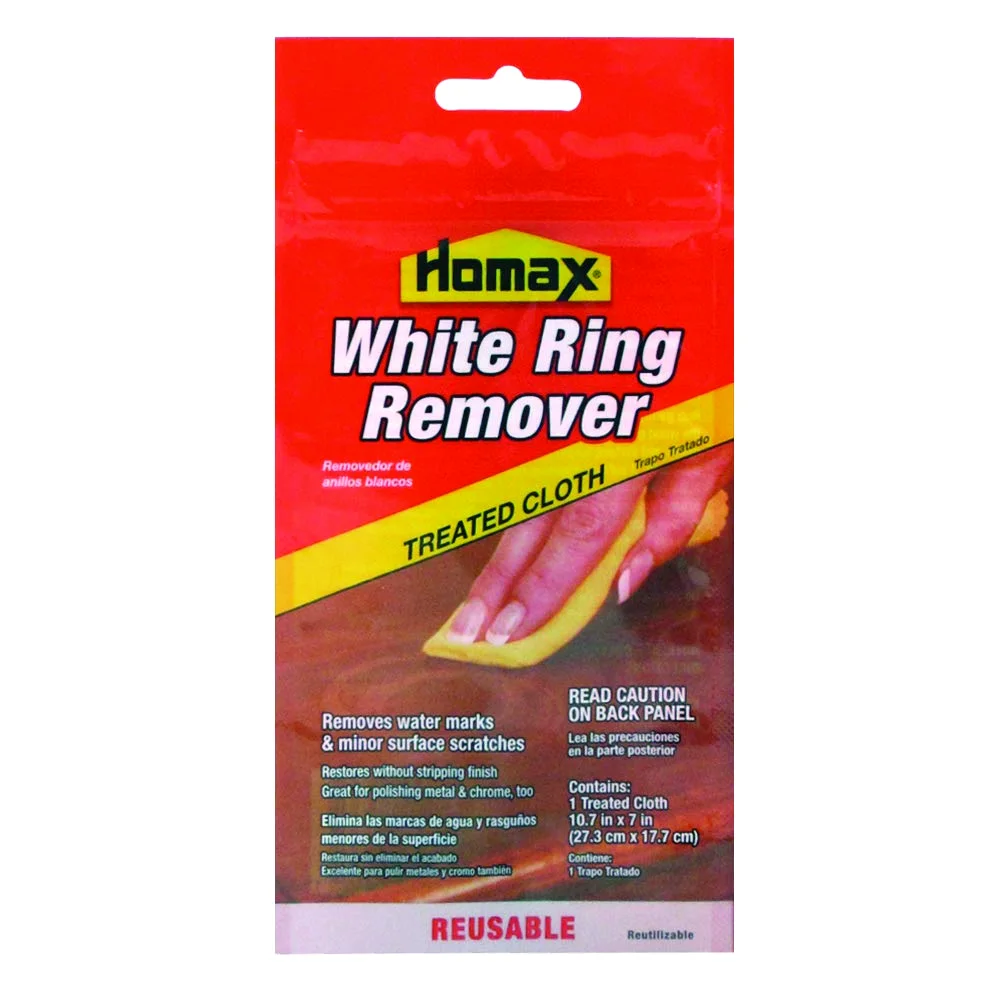
Furniture care · 7 x 11 in
Homax White Ring Remover Cloth, 7 x 11 in
Best for: White water rings on finished wood furniture
From Regular price$6.25 -
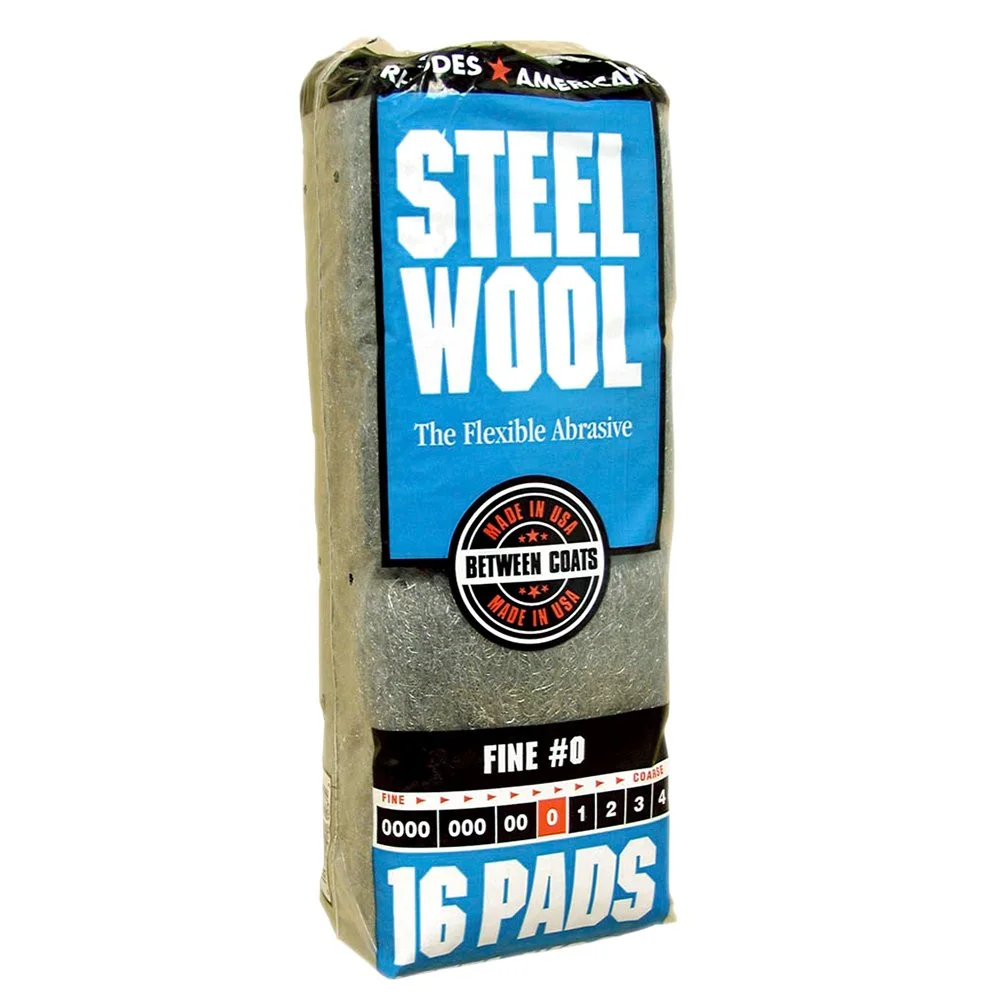
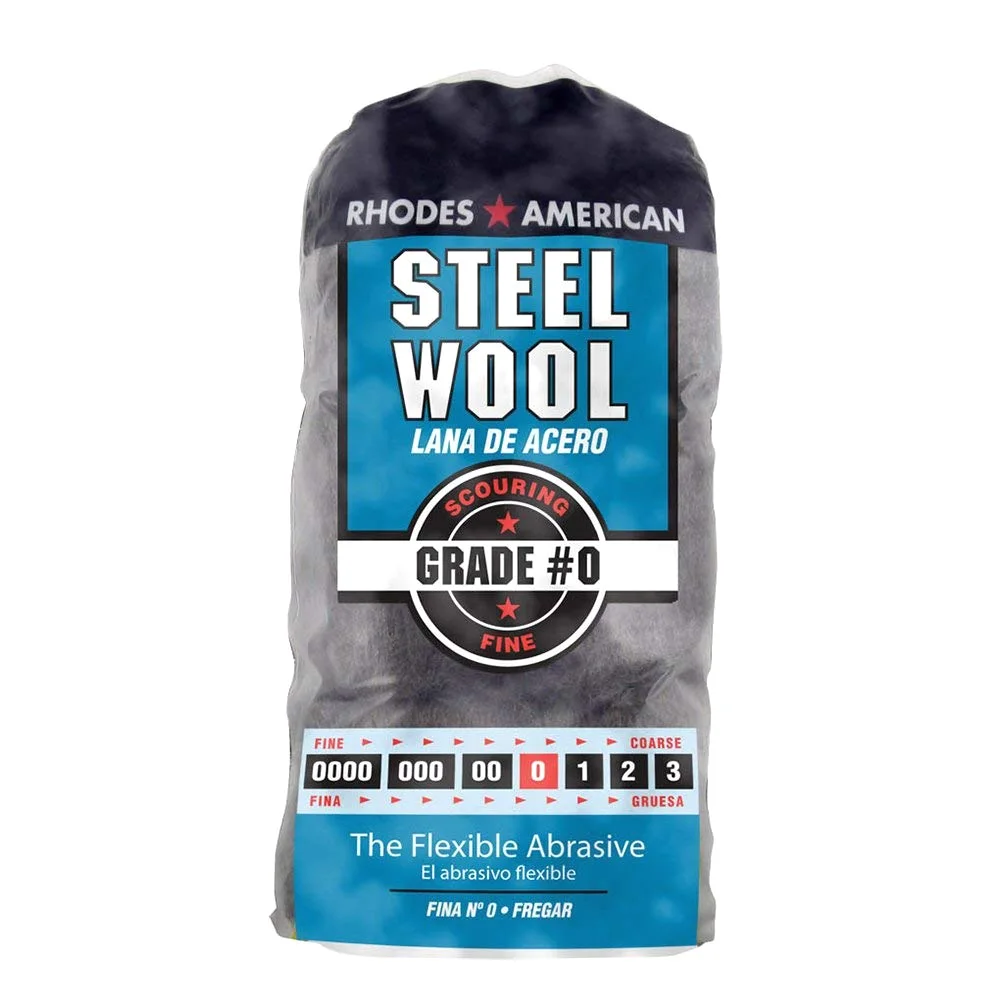
Steel wool · #0
Homax Rhodes American Steel Wool, #0 Fine
Best for: Between coats of paint or varnish
Regular price$3.49 -
Steel wool · #2
Homax Rhodes American Steel Wool, #2 Medium Coarse
Best for: Stripping softened finish and rust
From Regular price$4.38 -
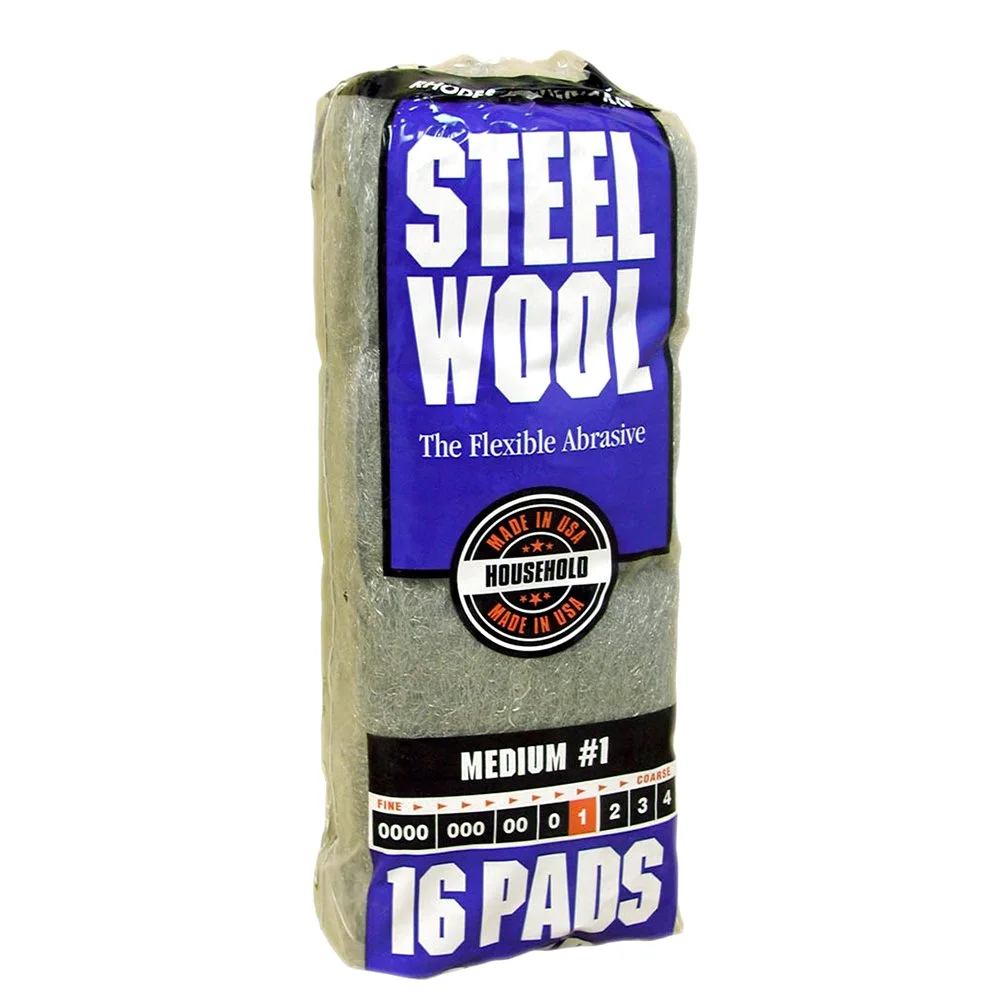
Steel wool · #1
Homax Rhodes American Steel Wool, #1 Medium
Best for: Household scrubbing and removing old finish
From Regular price$3.27 -
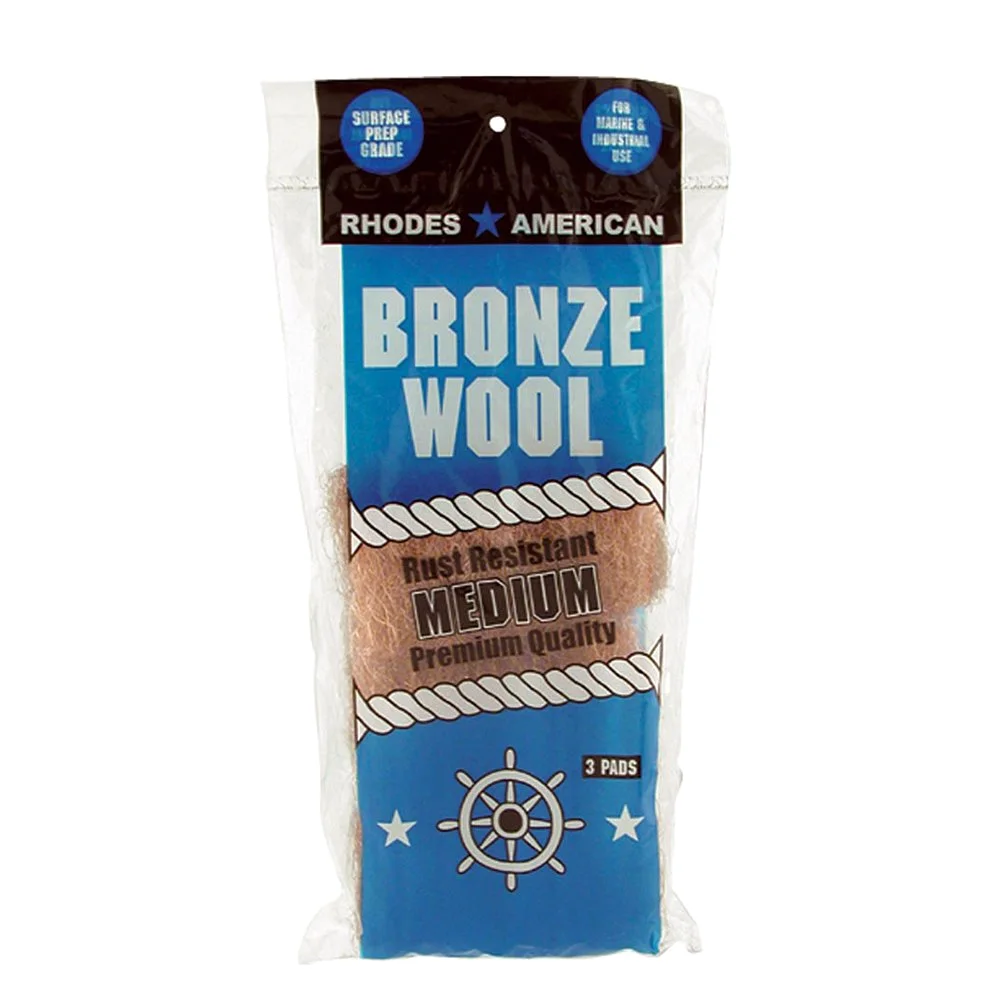
Bronze wool · Medium bronze
Homax Rhodes American Bronze Wool, Medium
Best for: Boat and outdoor work that must not rust
From Regular price$7.99 -
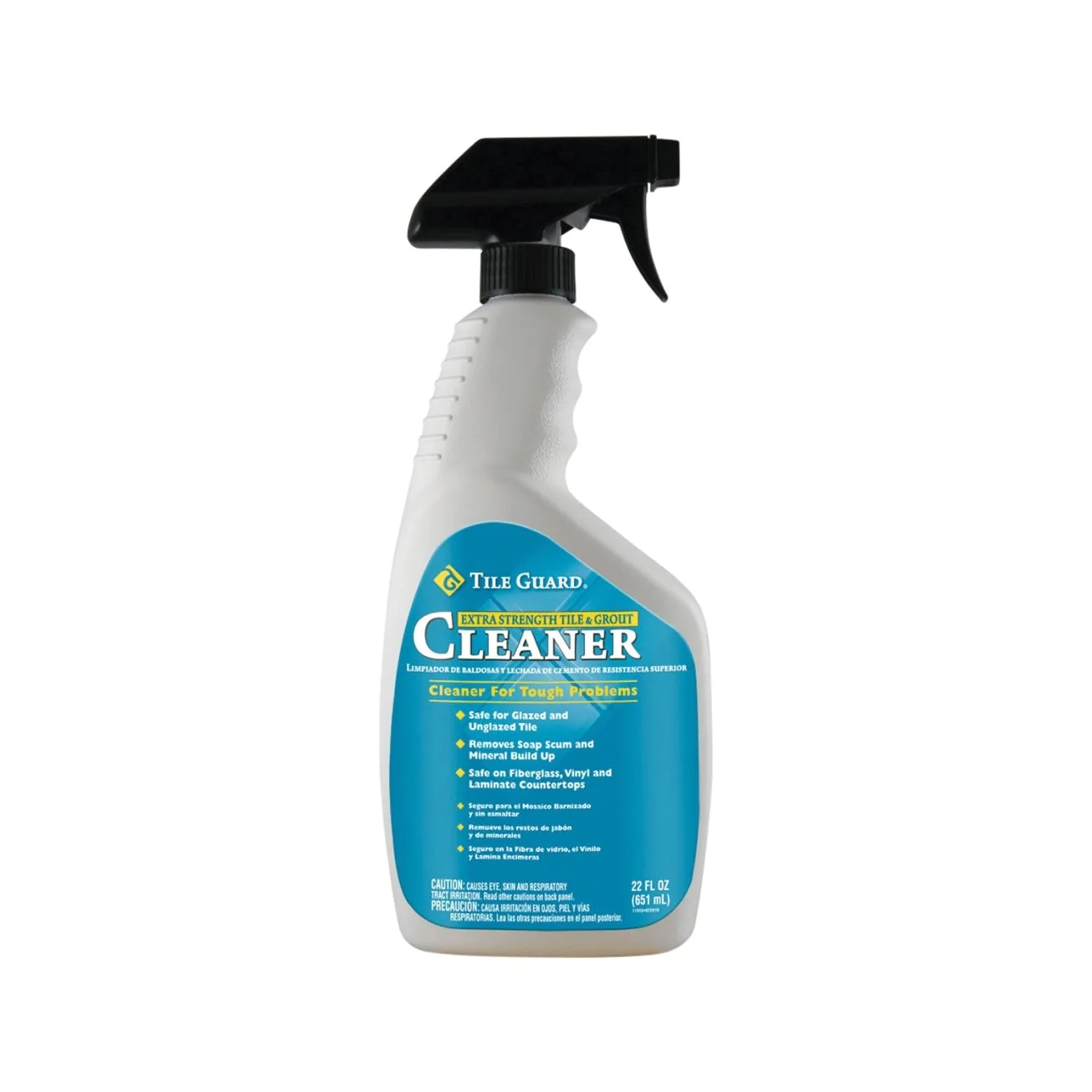
Cleaner
Homax Tile Guard Tile and Grout Cleaner
Best for: Cleaning tile and grout before sealing or recoating
From Regular price$9.99 -
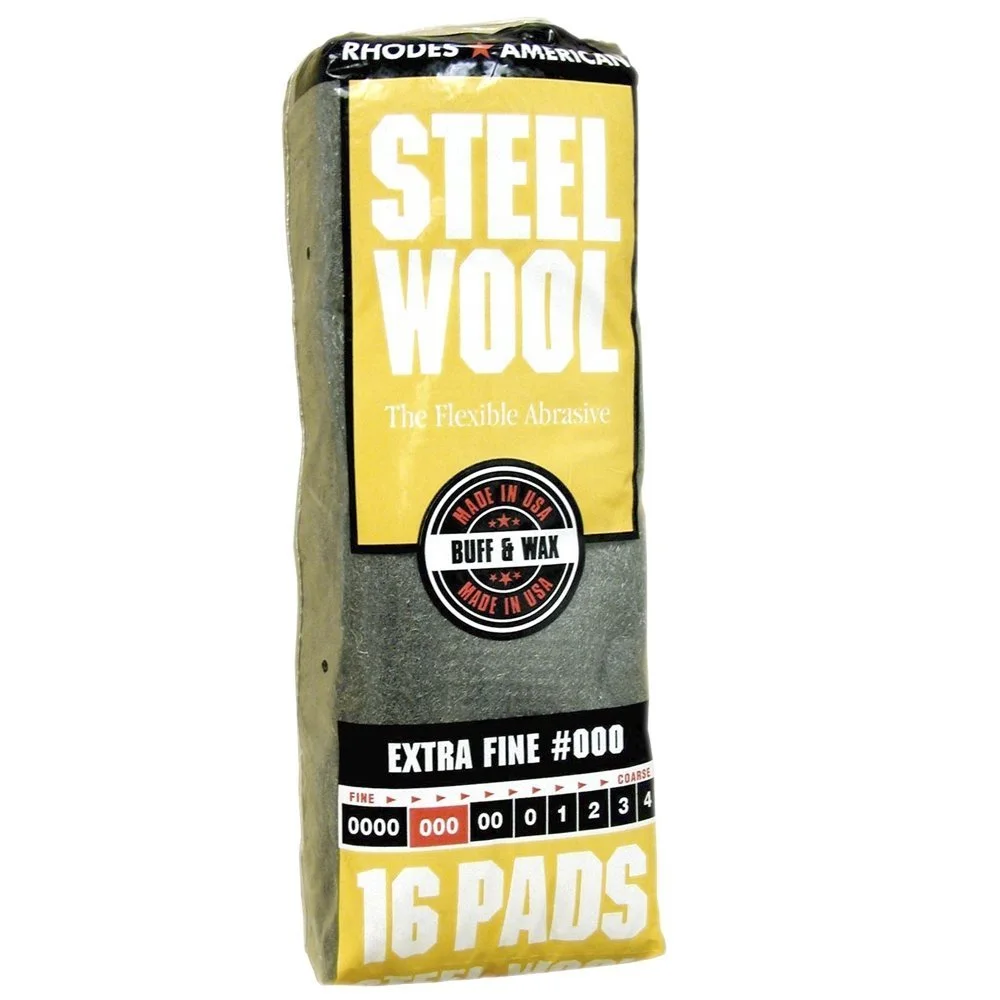
Steel wool · #000
Homax Rhodes American Steel Wool, #000 Extra Fine
Best for: Light rubbing between finish coats
From Regular price$12.87 -
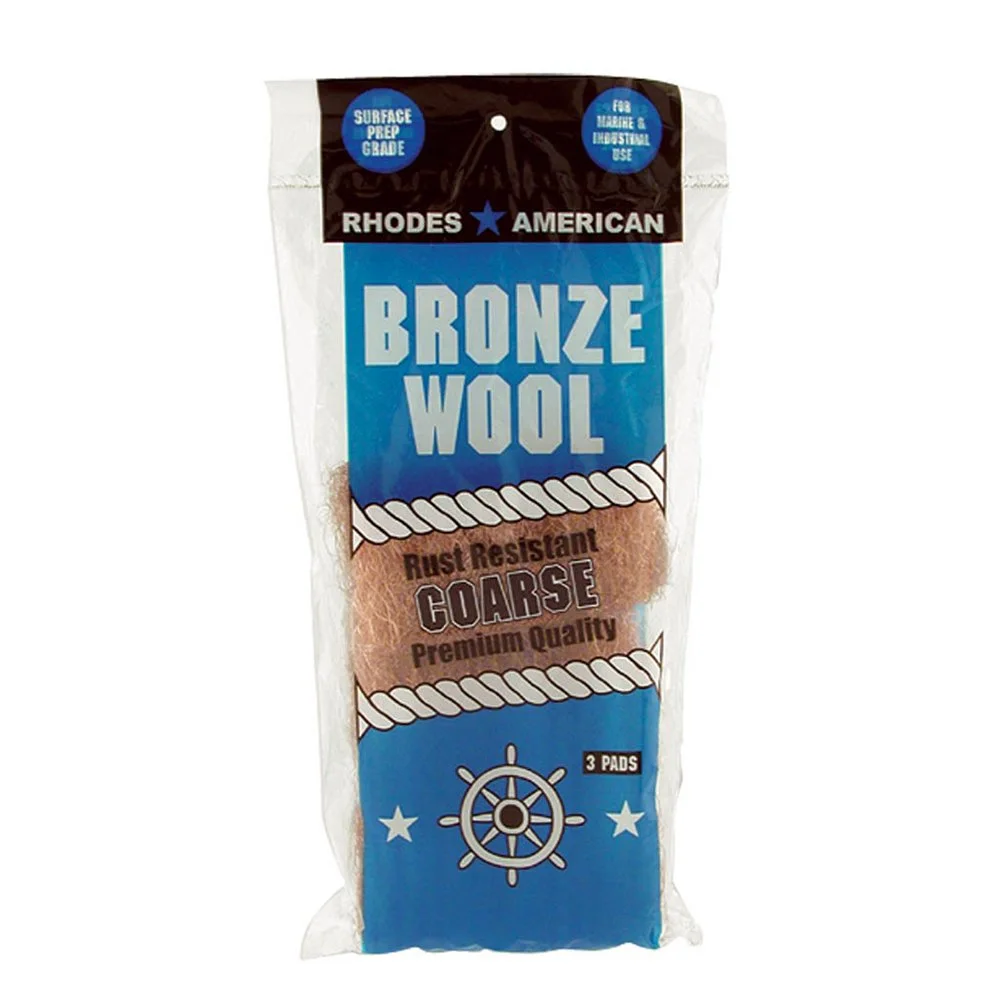
Bronze wool · Coarse bronze
Homax Rhodes American Bronze Wool, Coarse
Best for: Heavy cleaning on wet or marine surfaces
Regular price$8.99 -
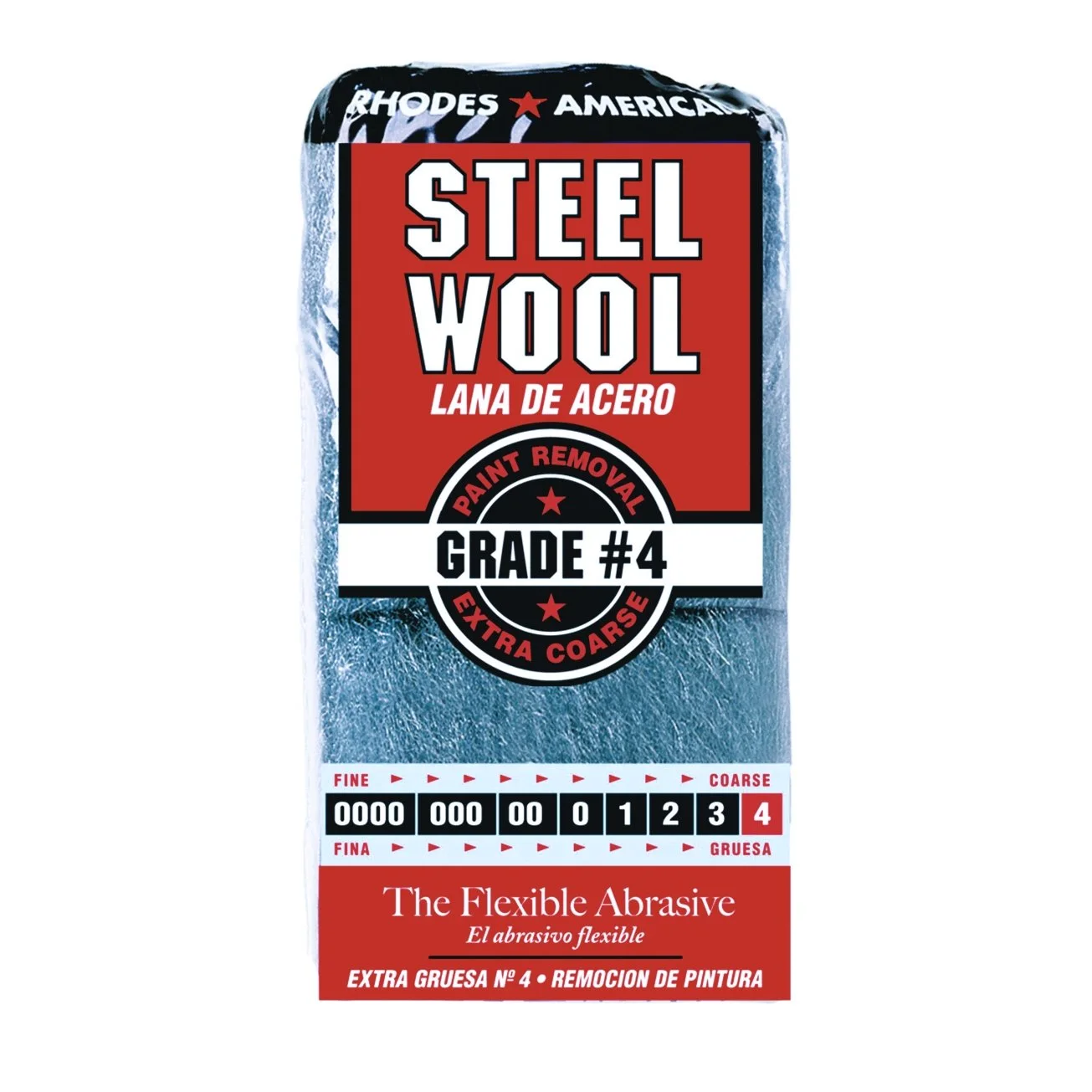
Steel wool · #4
Homax Rhodes American Steel Wool, #4 Extra Coarse
Best for: The heaviest stripping and rust removal
From Regular price$12.39
No product matches every filter you picked.
Pick the grade by what you are taking off
Rhodes American steel wool, sold under the Homax name, comes in eight grades, and the number tells you how hard each pad cuts. #0000 Super Fine smooths shellac, lacquer and varnish before the last coat and buffs furniture wax. #00 knocks a gloss finish down to semi-gloss. #0 works between coats and scours metal, #1 preps bare wood and cleans copper pipe, and #3 strips paint, varnish and rust. #4 Extra Coarse is the heaviest pad on the shelf, for the toughest stripping.
Some jobs need something other than steel. The bronze wool pads, in medium and coarse, resist rust and shedding, and the medium grade is sold for water-based finishes and marine work. The Tile Guard cleaner is a non-acid concentrate for soil and hard water film on tile and grout. The Homax White Ring Remover cloth, 7 x 11 inches, is meant to lift heat marks and water rings from wood finishes. Leftover strippers and solvents count as household hazardous waste: keep them in the original can and ask your local service where to drop them off, as EPA advises.
These 12 products are part of the Homax repair line, $2.69 to $48.07 in our last catalog update.
Other ways in
Questions
Scrub, strip and clean: what people ask
Which Homax products do you reach for to scrub, strip and clean?
Steel wool from #0000 to #4 for wood, metal and finishes, bronze wool where rust would be a problem, the Tile Guard cleaner for soil and hard water on tile and grout, and the white ring remover cloth for heat and water marks on wood finishes.
Which Homax steel wool grade do you use to strip paint?
Coarse #3 is the grade labeled for removing paint, varnish, shellac, lacquer and rust. Extra coarse #4 is coarser still for the heaviest scrubbing. Medium coarse #2 is a step down for cleaning grout and copper joints rather than stripping.
What do you do with leftover stripper and rags after a Homax steel wool job?
Treat them as household hazardous waste. The EPA says not to pour leftovers down a drain or onto the ground, to keep them in the original labeled container and never in a food container, and to ask your local service about collection days.